When Xie Miao, action star and Joe Taslim, veteran fighter lock eyes in the new trailer, you know trouble’s brewing. Their film, *The Furious*, hits theaters May 29, 2026, promising non-stop action. Directed by Kenji Tanigaki, choreographer-turned-film-director (known for *Enter the Fat Dragon*), this revenge drama drops viewers into a brutal fight against child traffickers.
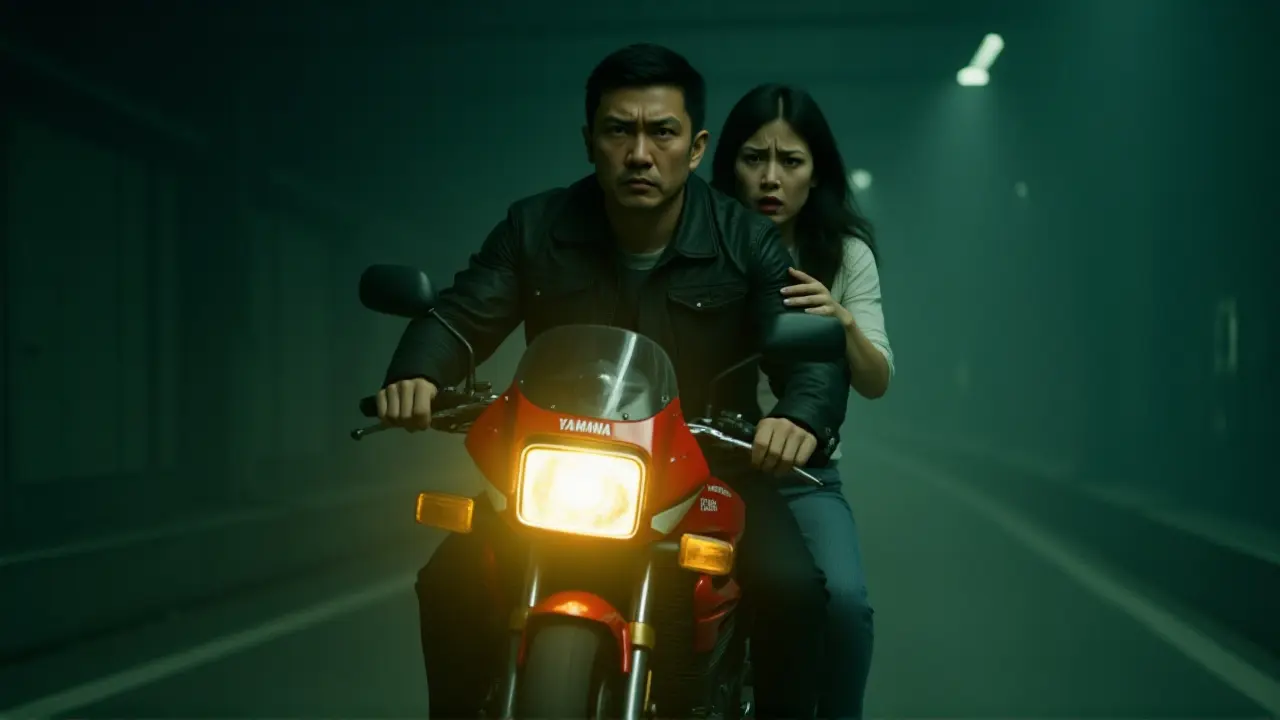
Here’s the thing: ordinary heroes don’t wear suits—they’re broken dads and desperate journalists. Wang Wei (Miao) isn’t some superhuman. His daughter’s snatched by a syndicate, and the cops won’t help. Navin (Taslim)? He’s chasing ghosts—his own wife vanished while hunting the same criminals. Turns out, fury fuels their alliance.
Fight Scenes That’ll Leave You Breathless
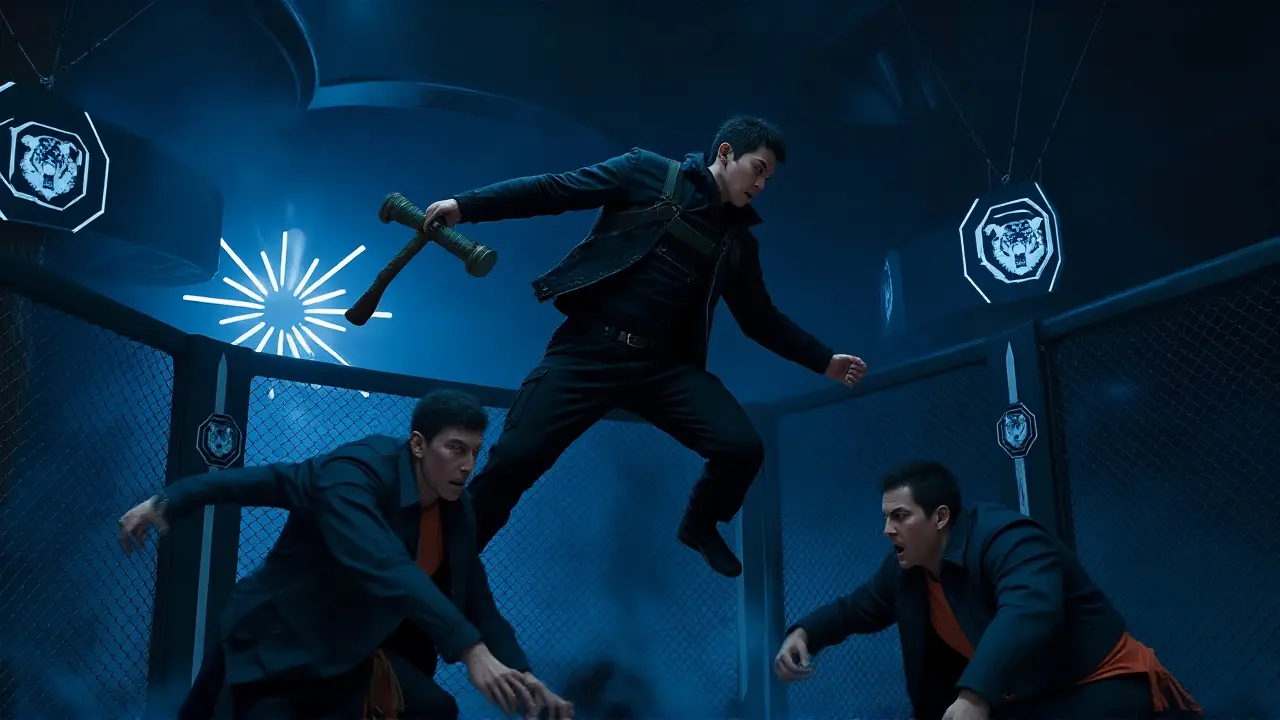
Remember when Punch Drunk Critics’s Travis Hopson called Tanigaki’s work “nuttier” than his last flick? That wasn’t hype. The trailer’s 2-minute clip showcases bone-crushing combat choreography. Watch Brian Le’s villainous performance—he’s basically walking destruction. And yes, Yayan Ruhian makes a cameo. Remember him? He’s got *The Raid* scars still showing.
Why does this matter? Hong Kong action cinema’s been missing its punch since the 90s. This feels like a revival. Lionsgate’s marketing blitz says “summer blockbuster,” but critics whisper about deeper themes. Trafficking isn’t just plot—it’s a real-world nightmare affecting 43 million children globally (ILO data).
Cast Connections: Legends Colliding
The ensemble reads like a martial arts reunion. Joe Taslim brought *The Raid* fame here; Yayan Ruhian’s special appearance nods to fans who remember Jakarta alley brawls. Xie Miao? Fresh off *The New Legend of Shaolin*. Screenwriters Frank Hui and Sam Shum Kwan-sin shaped *Once Upon a Time in China*—yes, that classic. Four writers total. That’s rare coordination.
Oddly enough, Sahajak Boonthanakit plays a Thai gang leader. Guo Junqing adds grit as a corrupt cop. These roles aren’t filler—they anchor the story’s Southeast Asia setting. Winai Wiangyangkung’s scene-stealing turn? Unforgettable. Even Yang Enyou’s minor role gets praised online already.
Real Stakes Behind the Action
Hopson didn’t mince words: “You won’t forget Brian Le.” True. His character’s brute force contrasts Navin’s tactical smarts. But why rescue kids? Because traffickers target vulnerability. Rainy—the stolen daughter—isn’t a prop; she’s the emotional core. When they free her, it’s visceral. One reviewer cried over a stunt-heavy sequence. Imagine that.
Collider’s call? “Blockbuster hit of 2026.” But let’s get real: This isn’t *Fast & Furious*. There’s no nitro boost. Just fists, fear, and flawed fighters. Tanigaki’s budget? $23 million (per IMDb). That’s tight for global distribution—but smart choices paid off. Local filming cuts costs. Authentic settings replace CGI.
What’s Next After May?
Lionsgate’s pushing home videos post-theatrical run. Streaming rights? Probably Netflix. Social media buzz is building—Taslim’s TikTok challenges already trended. But will awards follow? Action pics rarely win Oscars, yet Hopson hints at “genre-defining moments.” Keep watching. The sequel whispers started before trailers even launched.
Frequently Asked Questions
Who stars in *The Furious*?
Xie Miao leads as Wang Wei, joined by Joe Taslim, Brian Le, and Yayan Ruhian. Special appearances include Jija Yanin, adding veteran gravitas.
When does the film release?
Global theaters open May 29, 2026. Digital releases likely autumn 2026 via Lionsgate platforms.
Is *The Furious* related to earlier Tanigaki films?
Yes! It follows *Enter the Fat Dragon*, though standalone. Choreography builds on his signature brutal realism.
How does the film address child trafficking?
Plot centers on rescuing abducted kids, highlighting exploitation networks. Production partnered with NGOs for authentic messaging.
Are there sequels planned?
Tanigaki hinted at potential sequels depending on box office. Current discussions focus on spin-offs rather than direct follow-ups.
Jason Davis
the choregraphy here looks insane cus tanigaki knows how to move bodies differently. its rare to see authentic fight scenes that dont rely on wire work or cgi cheats. xie miao brings a certain grit that feels raw and unpolished in a good way. joe taslim adds weight to the stunts making them land harder visually. i think the budget cuts actually help focus energy on practical effects instead of flashy explosions. local filming locations bring texture that studios cant fake easily. fans of the raid series will notice the spacing between fighters changes completely. every punch seems calculated rather than just random flailing motion. this kind of attention to detail makes the action feel grounded in physics. hopefully critics give credit to the stunt team instead of just the actors fighting on screen.
Danny Johnson
seeing broken dads step up creates an emotional connection that most blockbusters miss entirely. wang wei represents the father figure everyone fears losing control over protection duties. navin chasing ghosts parallels our own struggles with unresolved trauma in daily lives. this film promises to handle grief with more care than typical revenge narratives. the collaboration between actors suggests trust built from past projects together. fans waiting for taslim have been patient since his last major lead role. supporting cast members like brian le bring depth to antagonist motivations clearly. understanding why traffickers operate helps viewers process the horror realistically. lionsgate marketing emphasizes action but the story core is emotional recovery mainly. we deserve stories that respect parental bonds without exploiting them purely for profit.
Serena May
The marketing blitz feels aggressive and dismissive of deeper artistic merit. 🙄
Fans expect authenticity but corporate interests dominate production choices mostly. 📉
The release timing feels rushed to capitalize on summer traffic data trends.
Christine Dick
Parental bonds are indeed central themes yet commercialization dilutes ethical messages constantly. Audiences require clear boundaries between fiction and actual legal procedures involving human rights. Vigilante justice depicted in films encourages dangerous misconceptions about law enforcement efficacy! Trafficking is a grave violation demanding legislative solutions rather than cinematic fist fights! Directors should consult victim advocacy groups before scripting rescue mission scenarios! Emotional manipulation through music cues often bypasses rational critical thinking processes. We must scrutinize whether these images normalize vigilance as a necessary societal tool. Profits generated from such narratives rarely fund actual anti-trafficking initiatives globally! The industry claims social awareness yet distributes content primarily to maximize shareholder returns! Reviewers who praise the realism overlook the potential harm caused by normalized violence! Young viewers imitate screen heroes without understanding real world consequences of aggression. Parents screening these movies need context guides explaining the fictional nature of tactics shown. Studios market empowerment while simultaneously reinforcing stereotypes about vulnerable populations. Genuine engagement requires dialogue with affected communities prior to green lighting scripts. Until transparency improves we cannot celebrate these productions as meaningful social commentary!
Ayushi Kaushik
While ethical concerns remain valid the art form also offers catharsis for suppressed anger. Creative interpretations can spark conversations that legislation simply cannot initiate effectively. Visual storytelling provides emotional hooks that connect strangers to global suffering. We see vibrant potential in combining entertainment value with urgent social messaging. Films like this bridge gaps between passive observation and active empathy. The cast dedication reflects a desire to honor real victims through performance art. Authenticity in choreography grounds the fantasy elements enough for reflection. Balance exists between respecting pain and utilizing art for healing purposes. Critics often forget cinema has historically driven social reform movements forward successfully. Trust artists to navigate sensitive topics with care and intentionality.
Sandeep YADUVANSHI
Actually most so-called masterpieces in this genre lack fundamental understanding of cinematography. Tanigaki is competent but the comparison to nineties classics is hyperbolic frankly. Budget constraints force reliance on location scouting rather than creative vision. International distribution strategies often compromise local authenticity for mass appeal. Only true connoisseurs appreciate the subtle differences in regional martial arts styles presented. General audiences will likely miss the cultural nuances embedded in blocking patterns. Critics usually fail to distinguish between spectacle and genuine artistic achievement here. Streaming platforms reduce the experience anyway regardless of theatrical quality.
Crystal Zárifa
Honestly nobody watches blockbusters for high brow analysis or obscure cultural blocking patterns. People want to see fists fly and bad guys lose in dark theater seats. Criticism like yours misses the primary function of popcorn cinema completely. Sometimes enjoying simple violence is perfectly acceptable for mental health reasons. Snobbish takes rarely influence ticket sales or actual box office performance metrics. Relaxing expectations helps everyone enjoy the summer release season better.
Boobalan Govindaraj
I am really excited about the home video release options later on. Local filming helps cut costs which is smart business for indie styles. The cast chemistry seems strong from the teaser clips available online. Supporting a project that tackles big issues is important for the culture. Hope it becomes a hit worldwide because action films need fresh blood. Digital streaming deals will probably make it accessible faster to many people.
Andrea Hierman
The marketing campaign suggests a revival of classic action cinema yet relies heavily on social media buzz. Lionsgate appears desperate to capitalize on nostalgia while introducing new faces strategically. Sarcasm aside I admit the production design deserves recognition for limited resources. However claiming genre defining moments feels premature given the track record. We shall observe if awards follow or if accolades fade quickly with the hype cycle. Audience reception will ultimately determine legacy status rather than critic reviews alone.
dinesh baswe
Historical precedents indicate that budget efficiency in local shooting often enhances authenticity and viewer immersion significantly.